
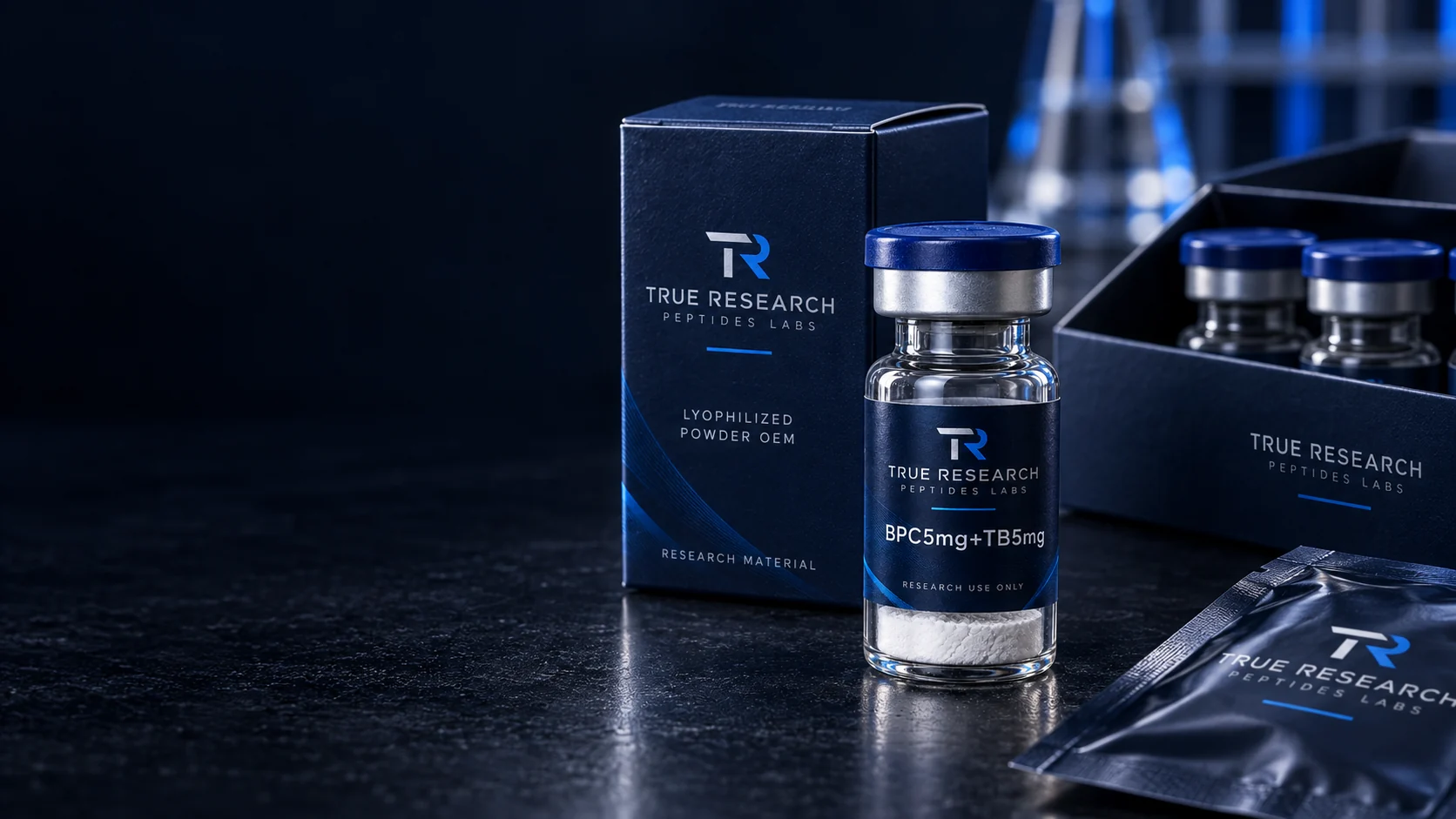
Develop a research powder presentation with a defined formulation, vial and evidence plan.
Define the product before the presentation
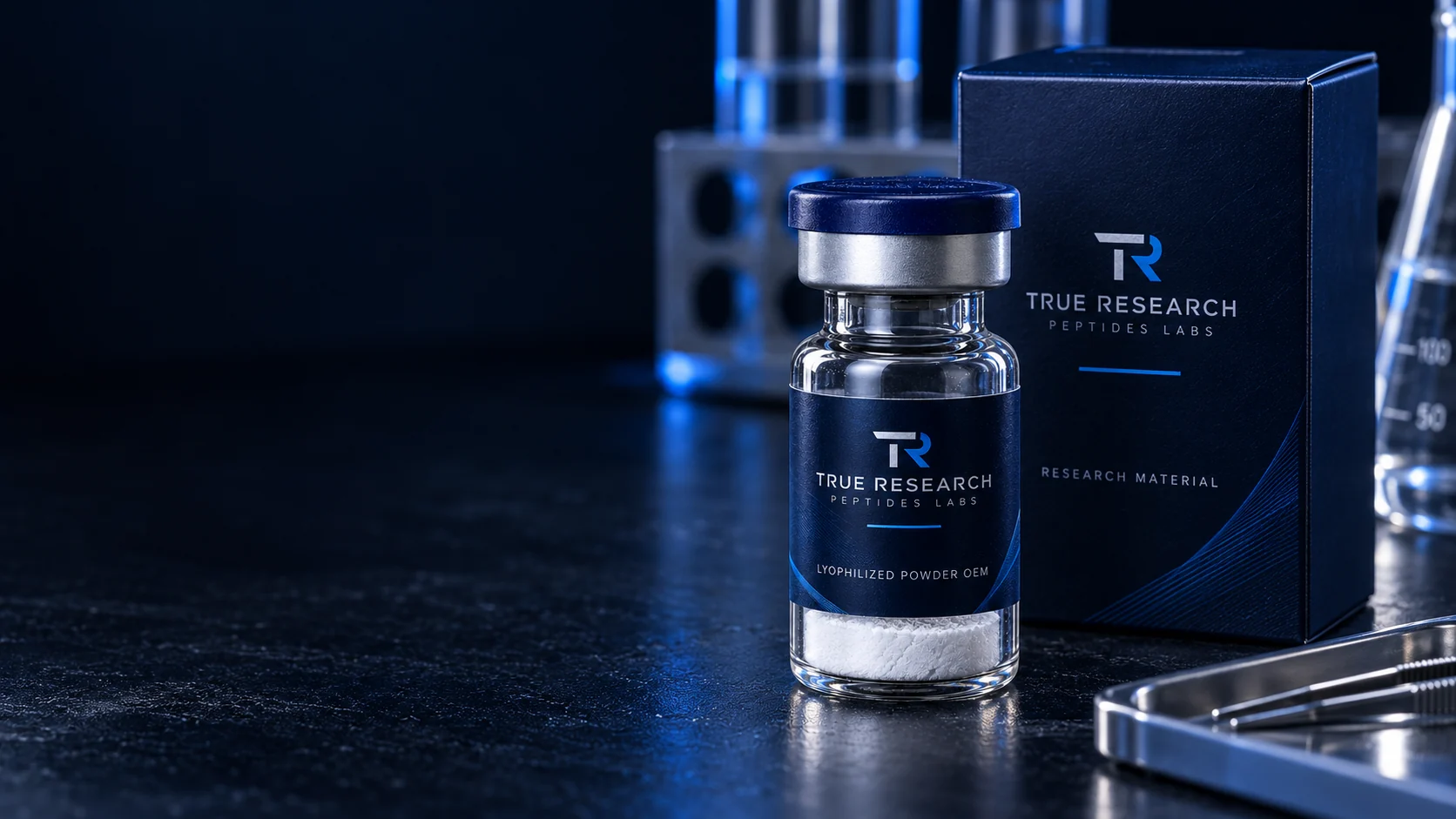
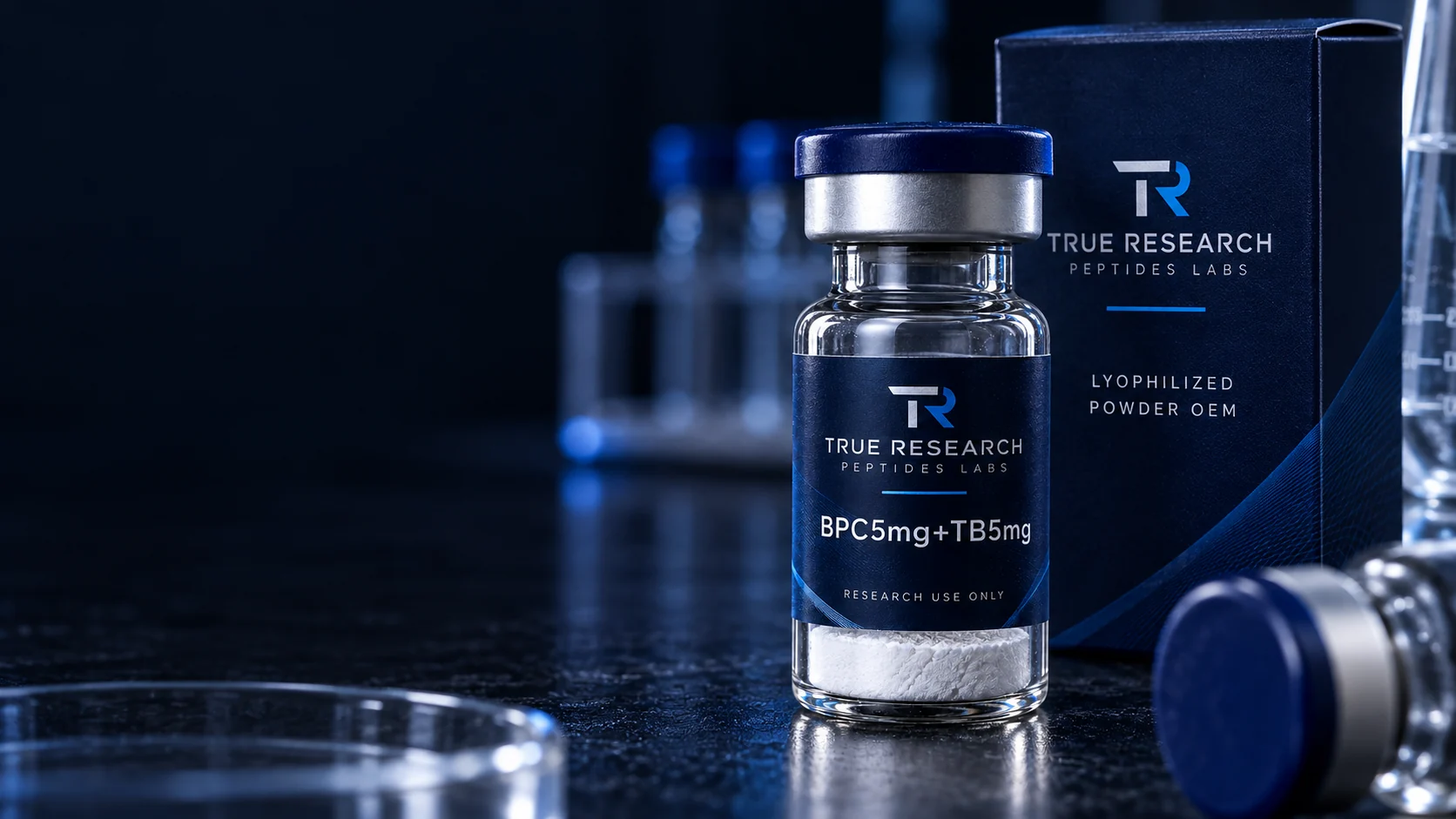
Powder appearance alone cannot establish composition, peptide content or stability. A uniform website vial concept makes the catalog easier to review, while the actual fill and specifications are agreed separately. Catalog vial masses describe packaging presentations and are not clinical doses.
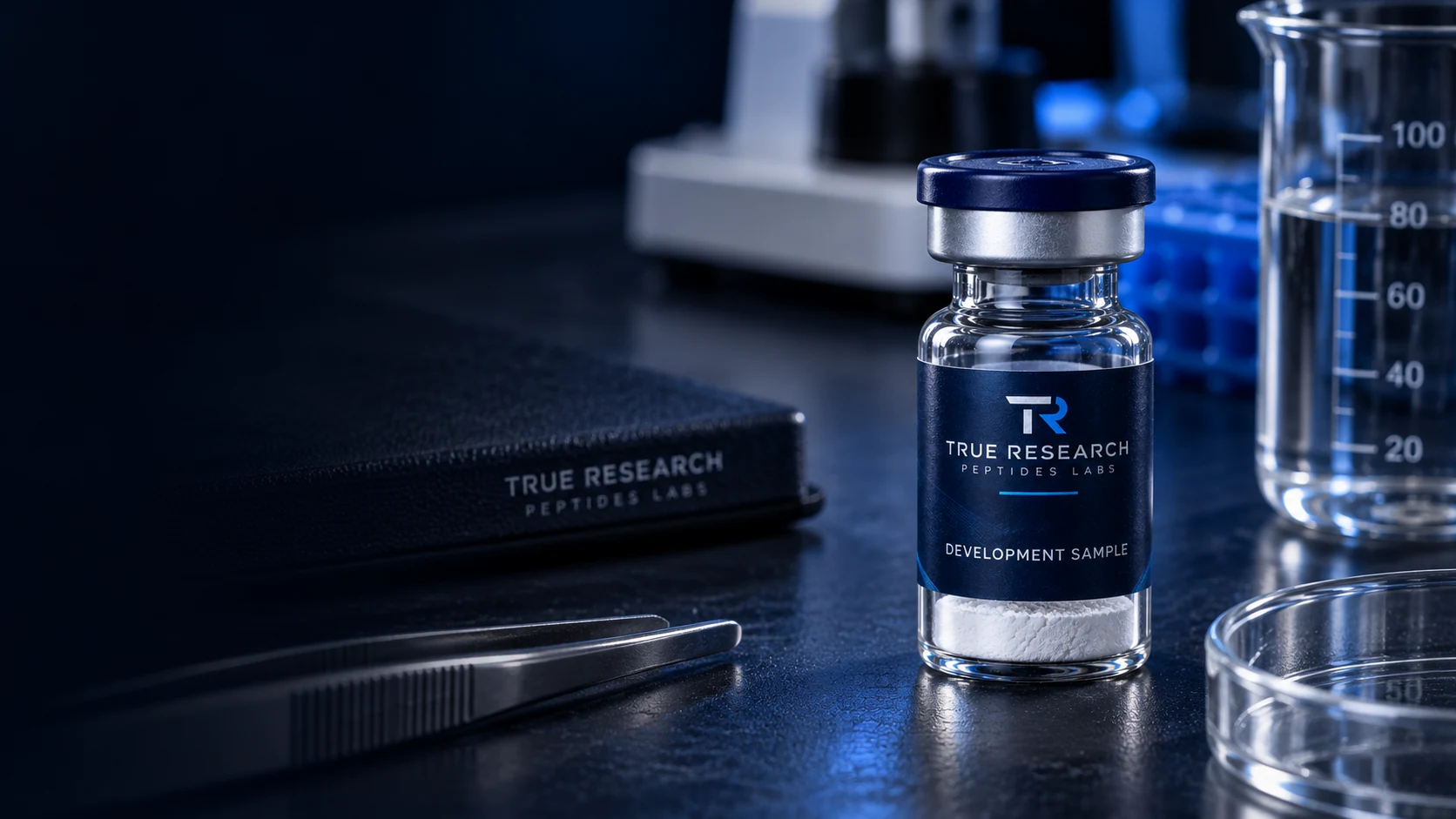
Formulation definition
Specify the material form, excipients if relevant, composition and intended laboratory application. Blends need an explicit component basis.
Vial & closure
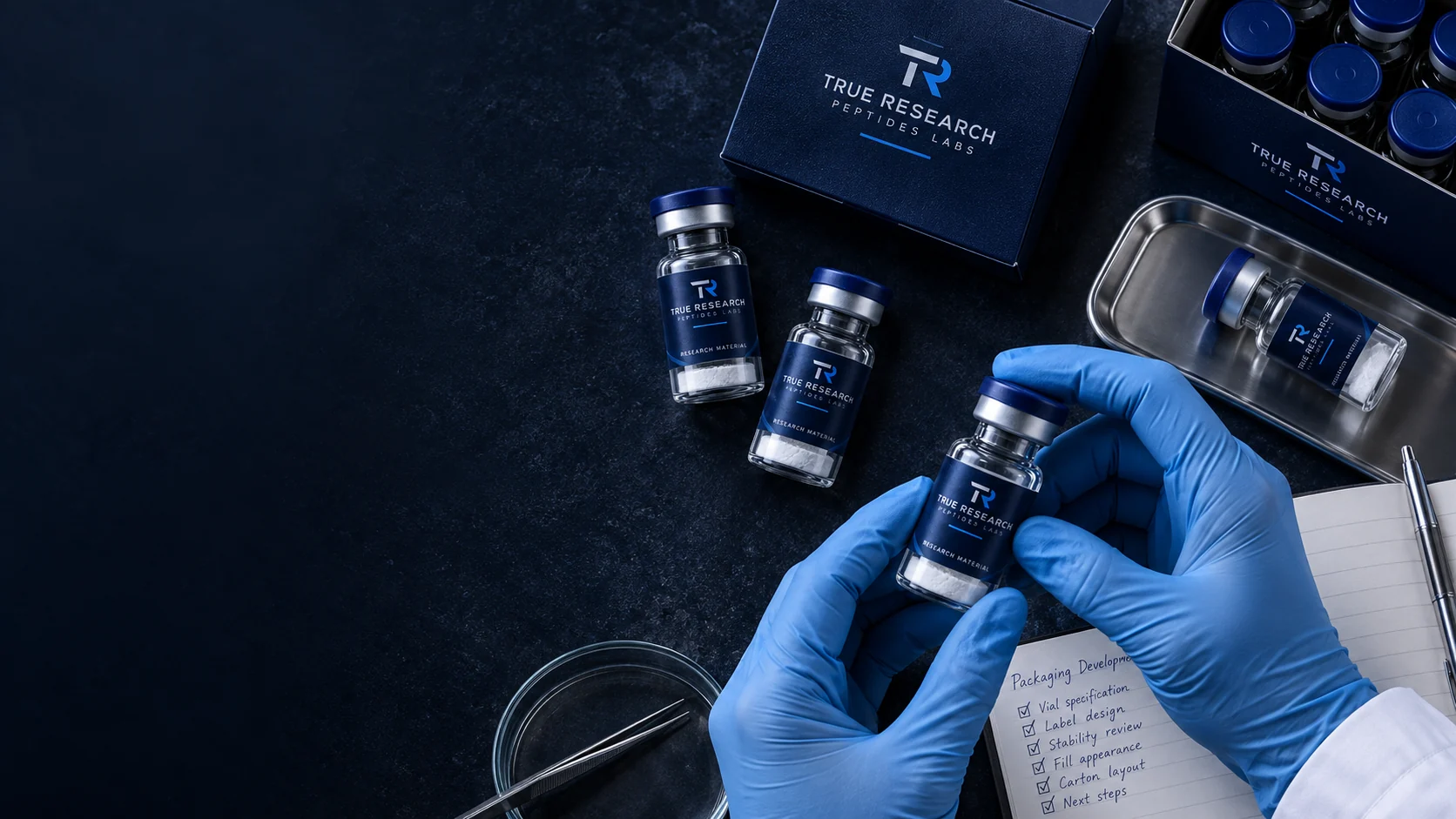
Review container volume, compatibility, fill presentation, crimp seal, label space and pack configuration.
Development questions
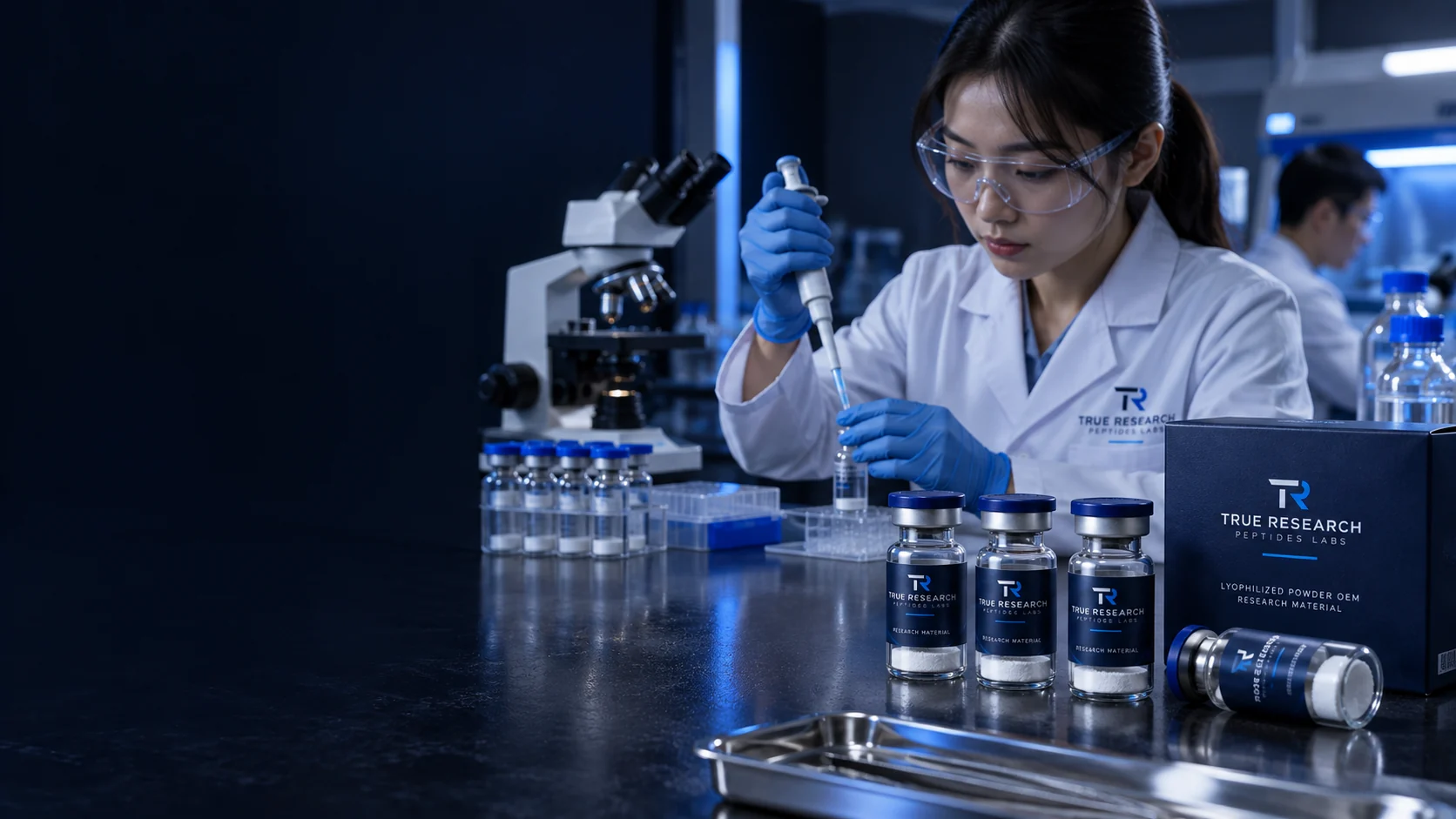
Define the process and physical attributes that need study. Moisture, content, stability or reconstitution behavior should be tested when relevant to the project.
Final handover
Agree the formula, manufacturing specification, sample reference, analytical records and packaging instructions.
From prototype to an agreed specification
Begin with the technical brief and destination market. Agree sample objectives, review milestones, analytical needs and packaging decisions. Changes to composition, construction or use claims should be reflected in the approved specification. OEM, ODM, CRO and CDMO scope can be discussed according to the stage and responsibilities of the program.
Prepare your project brief
- Material identity and composition brief.
- Format, dimensions and packaging goals.
- Prototype evaluation criteria.
- Target quantities and destination market.
- Required documentation and responsible reviewers.
A closer look at the workshop.
Vial handling and packing
Workshop footage of vial handling, closure equipment and packing movement.
Discuss your project